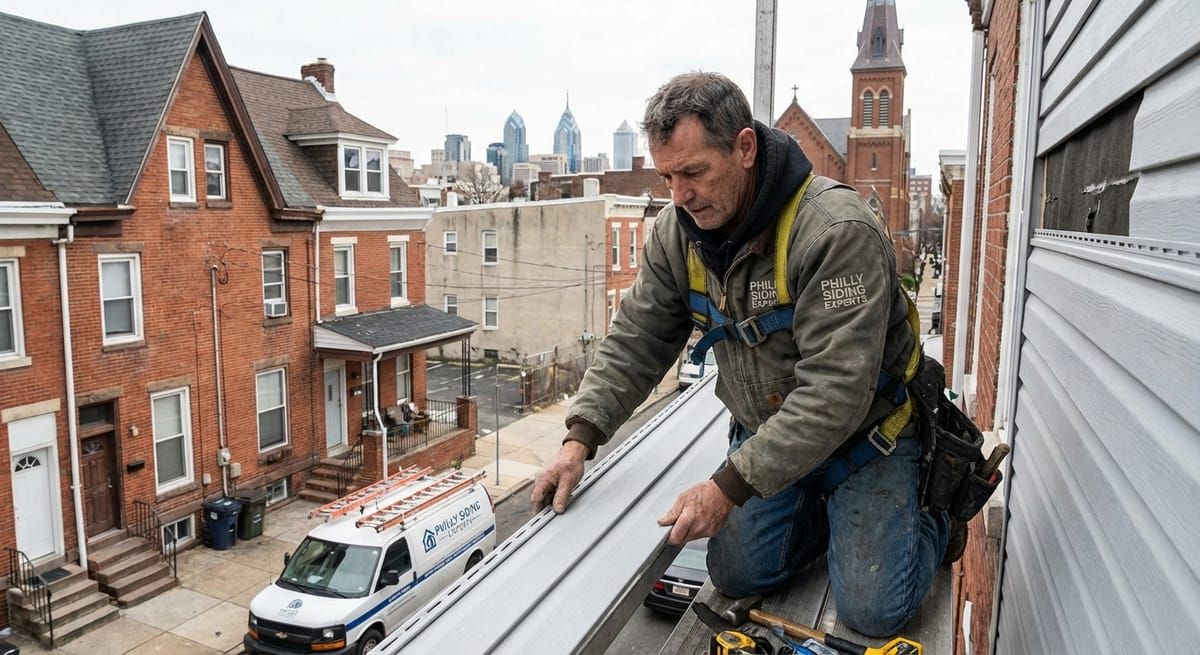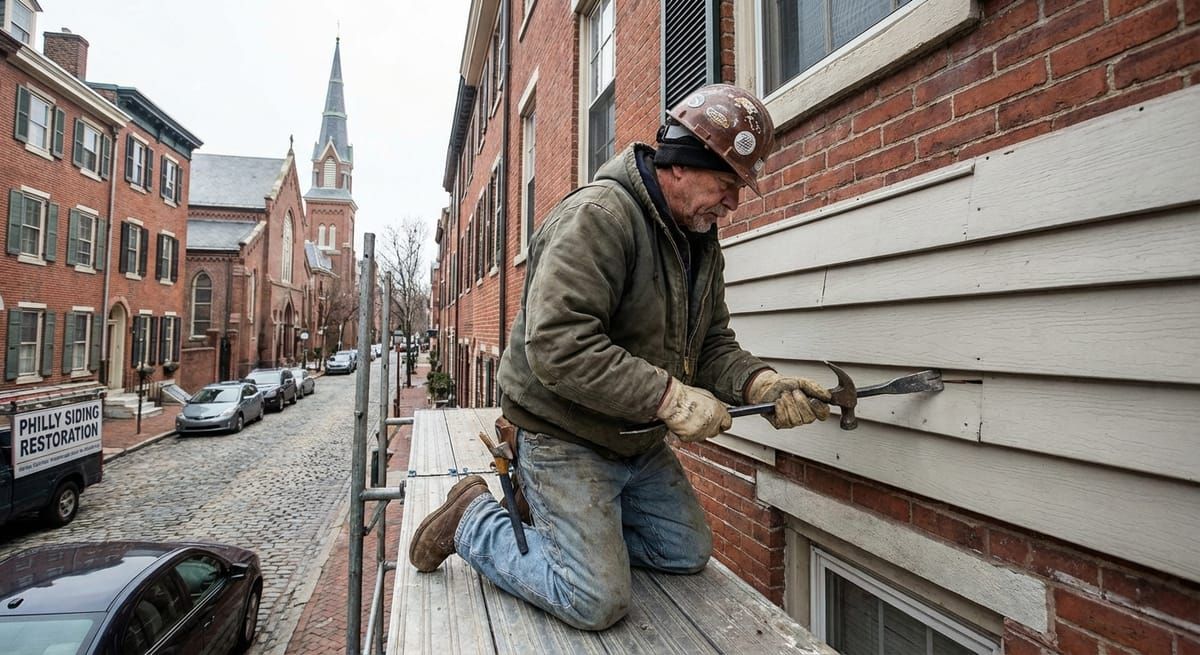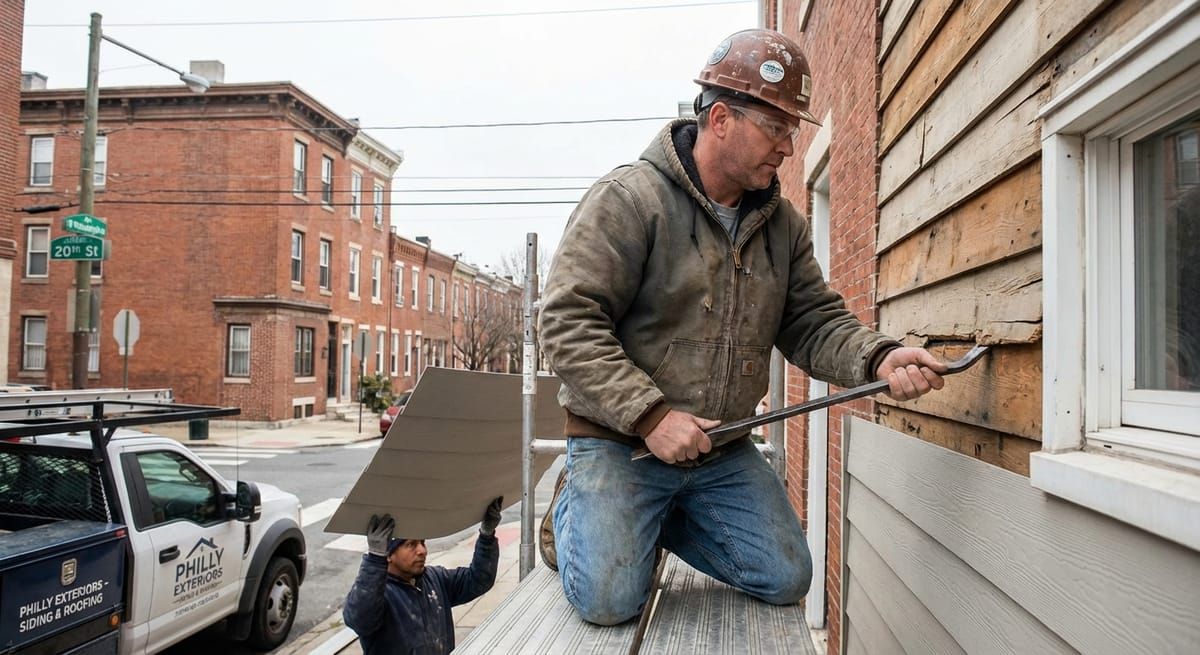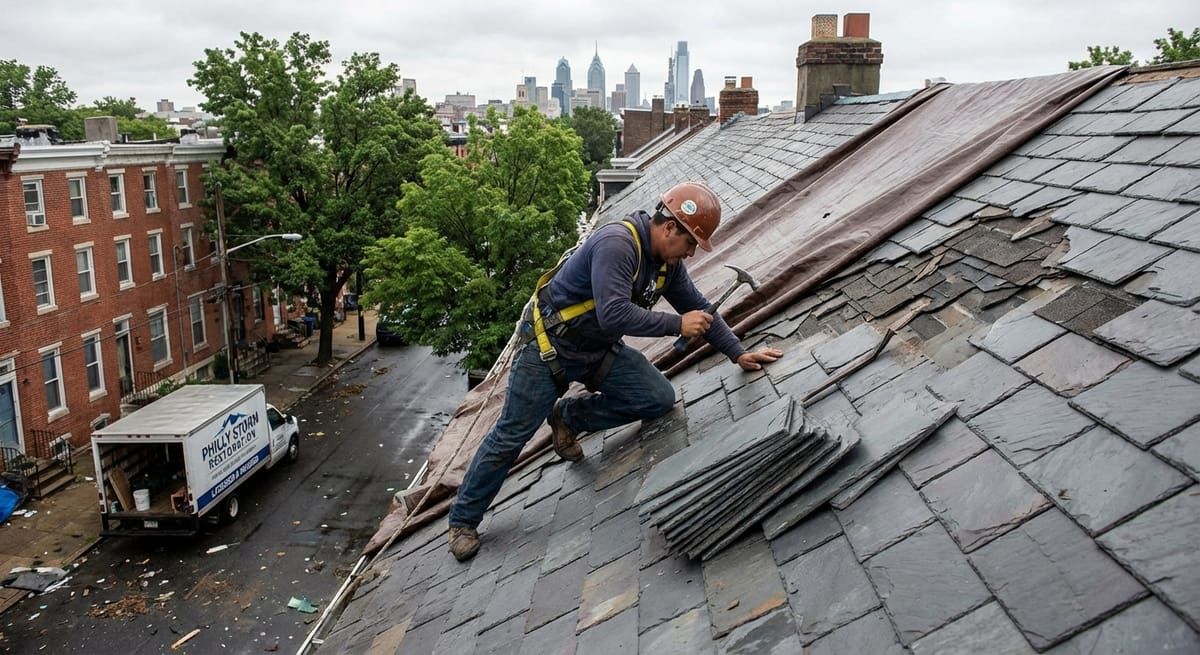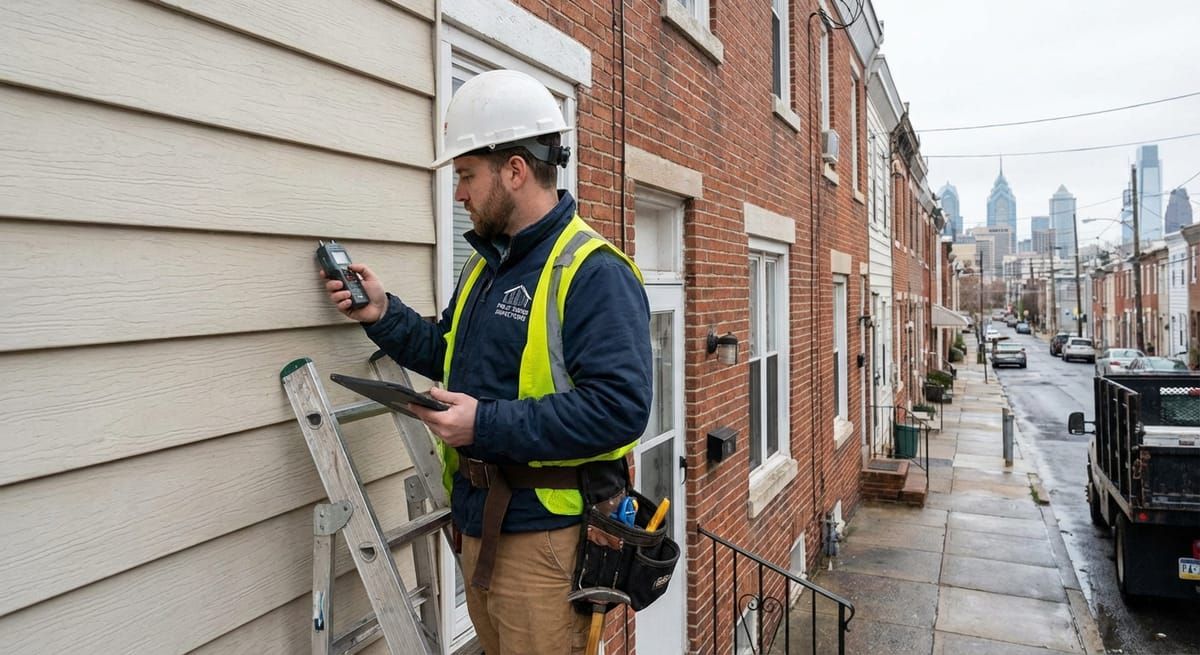
What a Professional Siding Inspection Involves
A siding inspection is a systematic evaluation of your home's exterior cladding, designed to assess its current condition and identify any areas of concern. Our inspection team examines every accessible section of your siding, looking for visible damage, underlying structural issues, and early warning signs that could develop into larger problems if left unaddressed.
During the inspection process, we evaluate multiple aspects of your siding system:
- Visual damage assessment: We check for cracks, holes, dents, warping, buckling, and other visible signs of deterioration across all siding panels.
- Moisture and water intrusion: Our team looks for signs of water damage, including staining, soft spots, mold growth, and areas where moisture may be penetrating behind the siding.
- Fastener and attachment inspection: We examine how securely your siding is attached to the underlying structure, checking for loose panels, missing fasteners, and areas where wind uplift could occur.
- Seam and joint evaluation: All seams, joints, and connection points are inspected to ensure they remain properly sealed and aligned.
- Trim and accessory condition: We assess the condition of corner posts, J-channels, soffit, fascia, and other trim components that complete your siding system.
- Foundation and ground clearance: Proper clearance between siding and soil or landscaping is verified to prevent moisture wicking and pest access.
After completing our inspection, you receive a detailed report documenting our findings, including photographs of any problem areas and recommendations for addressing identified issues. This report serves as a valuable reference whether you need immediate repairs or want to plan future maintenance.
When Philadelphia Homeowners Need a Siding Inspection
Several situations call for a professional siding inspection, and recognizing these moments can save you significant money and frustration in the long run. Understanding when to schedule an inspection helps you stay ahead of problems rather than reacting to emergencies.
Before purchasing a home: A pre-purchase siding inspection reveals the true condition of a property's exterior before you commit to buying. Many cosmetic issues can mask serious underlying damage that becomes your responsibility after closing. Knowing the siding's condition helps you negotiate price adjustments or request repairs from the seller.
After severe weather events: Philadelphia experiences its share of storms, including high winds, hail, and heavy rain. Even if your siding appears intact after a storm, hidden damage may have occurred. Insurance claims often require documented evidence of storm damage, making a prompt professional inspection essential.
When visible problems appear: Obvious signs like cracks, peeling paint, warped panels, or loose sections warrant immediate inspection to determine the extent of damage and whether it has affected underlying structures.
Periodic maintenance checks: Even without visible problems, scheduling regular inspections every few years helps catch developing issues early when they are easier and less expensive to address.
Before selling your home: A pre-sale inspection lets you identify and address problems before listing, preventing surprises during buyer inspections that could derail your sale or reduce your asking price.
Common Signs Your Siding Needs Professional Attention
Homeowners often notice warning signs but are unsure whether they indicate serious problems requiring professional evaluation. Learning to recognize these indicators helps you know when to call for an inspection.
Warping or buckling panels: Siding that no longer lies flat against your home suggests moisture damage, improper installation, or thermal stress. These distortions can allow water infiltration and accelerate deterioration.
Cracks and holes: Any breach in your siding's surface creates an entry point for moisture and pests. Even small cracks can expand over time due to freeze-thaw cycles common in Philadelphia winters.
Fading and discoloration: While some fading is normal, uneven color changes or dark staining often indicate moisture problems or mold growth that requires investigation.
Increased energy bills: If your heating and cooling costs have risen without explanation, compromised siding insulation or air infiltration through gaps may be contributing factors.
Interior moisture issues: Peeling paint, bubbling wallpaper, or musty odors inside your home can signal that your siding is allowing moisture intrusion that affects interior walls.
Soft or spongy areas: Pressing on your siding and finding soft spots indicates moisture has penetrated the material, potentially causing rot in underlying sheathing or structural components.
Why Siding Problems Develop
Understanding what causes siding damage helps you appreciate the importance of regular inspections and proper maintenance. Multiple factors contribute to siding deterioration, many of which progress gradually without obvious external signs.
Weather exposure: Philadelphia's climate subjects siding to temperature extremes, UV radiation, precipitation, and humidity fluctuations throughout the year. This constant environmental stress causes materials to expand, contract, fade, and degrade over time.
Moisture infiltration: Water is siding's greatest enemy. When moisture penetrates behind siding panels through gaps, failed caulking, or damaged areas, it becomes trapped and causes rot, mold, and structural damage that spreads invisibly.
Improper installation: Siding that was not installed according to manufacturer specifications may fail prematurely. Common installation errors include inadequate fastening, insufficient overlap, improper flashing, and failure to allow for thermal expansion.
Age and wear: All siding materials have finite lifespans. As materials age, they become more brittle, less flexible, and more susceptible to damage from impacts and weather events.
Pest activity: Insects and animals can damage siding directly or exploit existing vulnerabilities to access your home's structure. Woodpecker holes, carpenter bee tunnels, and rodent gnawing all compromise siding integrity.
Physical impact: Lawn equipment, fallen branches, sports equipment, and other impacts cause dents, cracks, and holes that may not seem significant but create opportunities for water intrusion and further damage.
Factors That Affect Inspection Scope and Recommendations
Several variables influence what your inspection reveals and what steps we recommend for addressing identified issues. Understanding these factors helps you prepare for your inspection and interpret results.
Home size and accessibility: Larger homes and multi-story structures require more time to inspect thoroughly. Areas that are difficult to access, such as high peaks or sections blocked by landscaping, may require special equipment or techniques.
Siding type and age: Different siding materials have different vulnerabilities and expected lifespans. Vinyl, fiber cement, wood, and aluminum each present unique inspection considerations. Older siding naturally shows more wear and typically requires more detailed examination.
Previous repairs and modifications: Areas where repairs have been made or where modifications like added fixtures penetrate the siding require careful scrutiny to ensure work was done properly.
Local environmental factors: Homes near busy roads, in heavily wooded areas, or with specific sun exposures may show distinctive wear patterns that affect our recommendations.
Current condition of adjacent components: Siding condition relates closely to roofing, windows, doors, and foundation condition. Problems in one area often indicate or cause problems in others.
Repair Versus Replacement Guidance
One of the most valuable outcomes of a professional inspection is clear guidance on whether your siding needs localized repairs, extensive renovation, or complete replacement. This determination depends on several factors we assess during inspection.
Extent of damage: Isolated problems affecting a small percentage of your siding often make repair the logical choice. When damage is widespread or affects underlying structure, replacement becomes more cost-effective.
Age and remaining lifespan: If your siding is approaching the end of its expected service life, investing in repairs may only delay inevitable replacement. Newer siding with localized damage is typically worth repairing.
Matching availability: Replacing damaged sections requires materials that match your existing siding in color, profile, and texture. Discontinued products or significant fading may make matching impossible, tilting the decision toward full replacement.
Underlying conditions: Surface damage that has allowed moisture to affect sheathing, insulation, or framing may require replacement to properly address all affected components.
Energy efficiency goals: If you want to improve your home's energy performance, replacement with modern insulated siding may offer benefits beyond simple damage repair.
The Siding Expert Philly Inspection Process
When you schedule an inspection with our team, you can expect a thorough, professional process designed to give you complete information about your siding's condition.
We begin by discussing any specific concerns you have and gathering background information about your home, including its age, previous repairs, and any problems you have noticed. This conversation helps us focus our inspection on areas most likely to need attention.
Our physical inspection proceeds systematically around your home's exterior, examining all siding surfaces, trim, and accessories. We document findings with photographs and detailed notes, paying particular attention to common problem areas like corners, window and door surrounds, and areas near the ground.
After completing our on-site evaluation, we compile our findings into a comprehensive report that explains what we found, what it means for your home, and what options you have for addressing any issues. We take time to walk through this report with you, answering questions and providing honest guidance.
Whether your inspection reveals a clean bill of health, minor maintenance needs, or significant concerns requiring prompt attention, you will leave the process with clear understanding and actionable information. This knowledge empowers you to make confident decisions about protecting and maintaining your Philadelphia home's exterior.