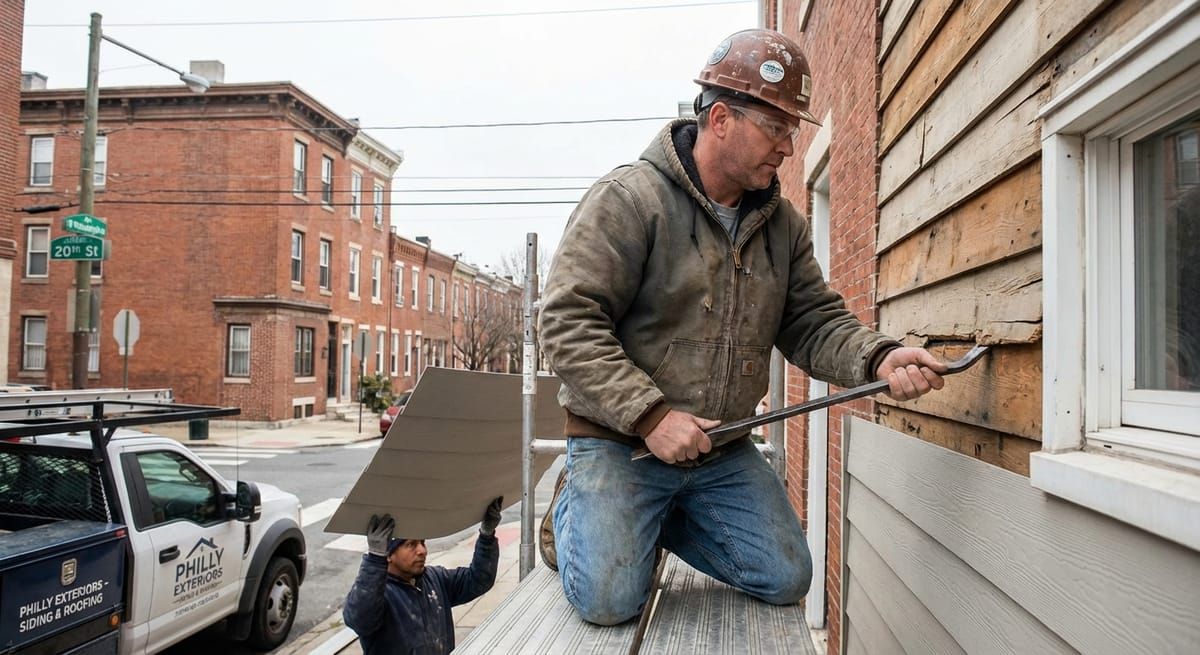
What Siding Replacement Involves
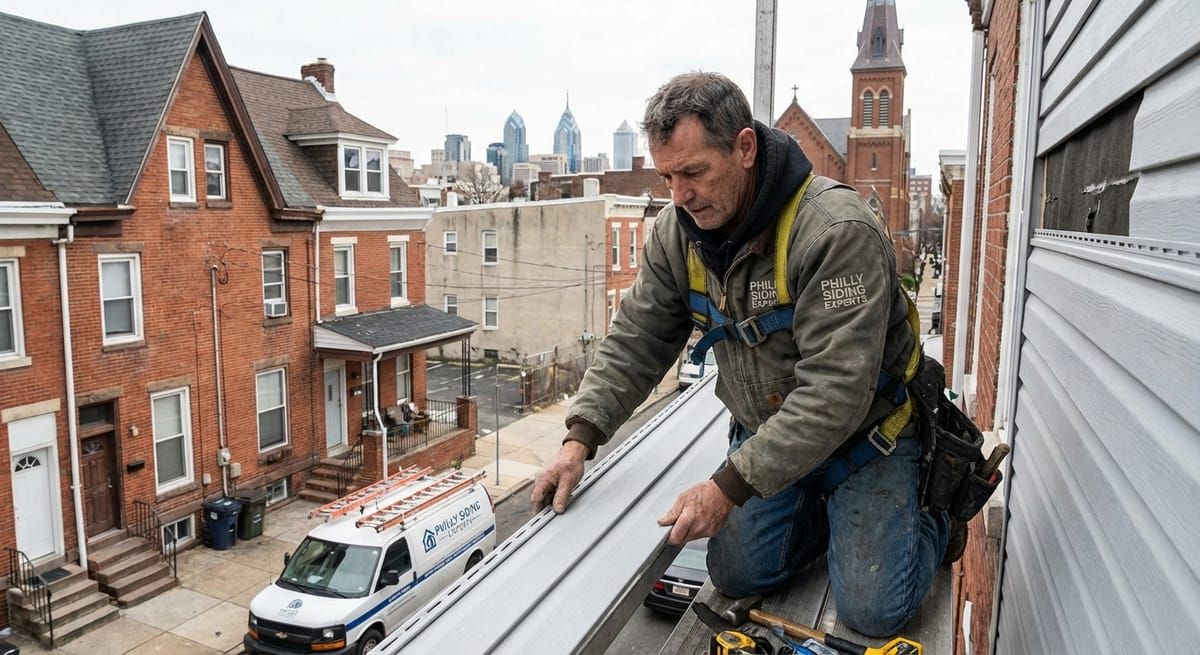
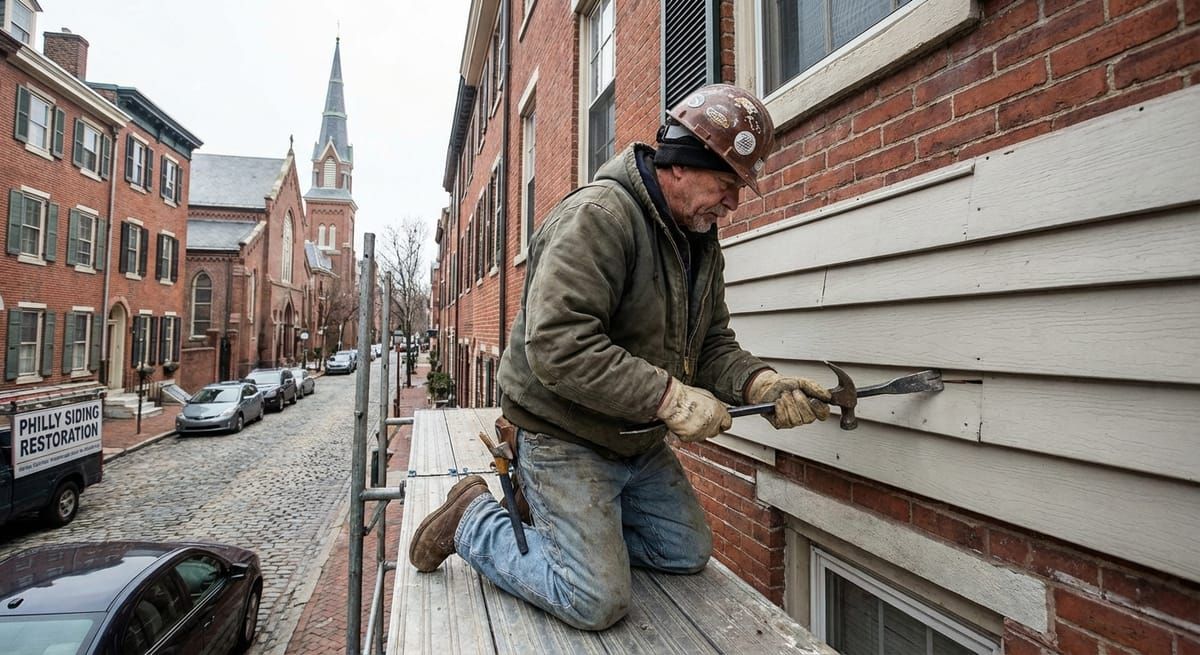
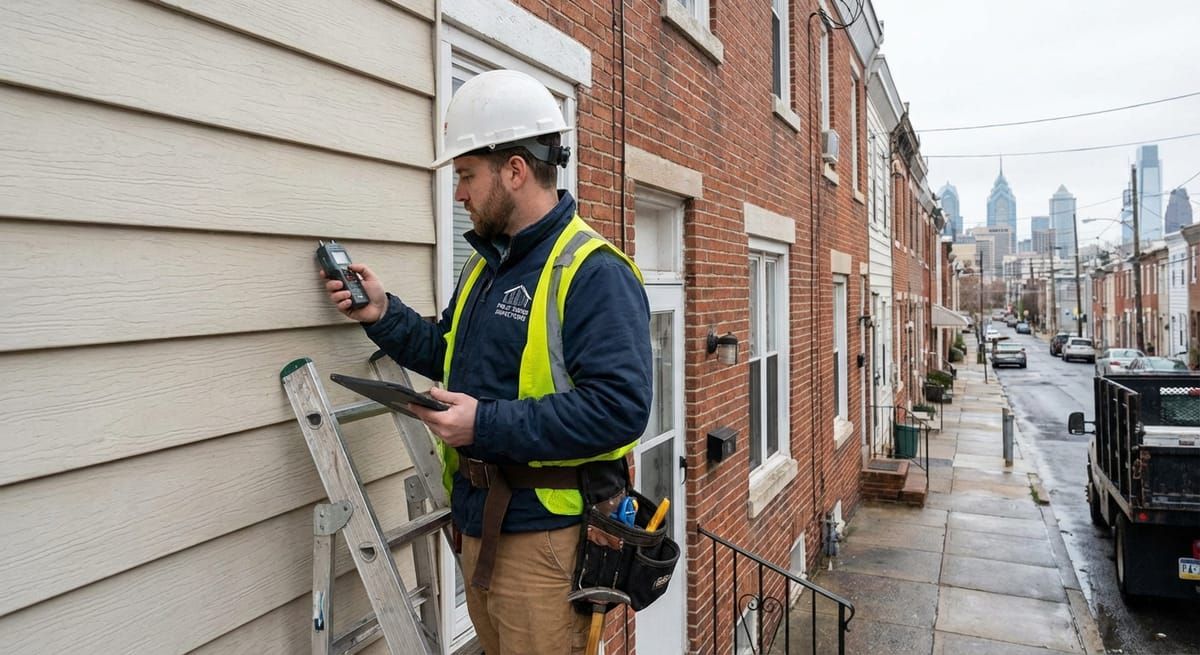
Siding replacement is a comprehensive exterior renovation project that removes your home's existing siding material down to the sheathing and installs completely new siding in its place. Unlike repairs that patch specific problem areas, full replacement addresses the entire exterior surface of your home. The process begins with a thorough inspection to assess the condition of underlying structures, including sheathing, house wrap, and insulation. Our crews then carefully remove all existing siding, dispose of the materials responsibly, and prepare the surface for new installation.
Once the exterior is prepped, we install a weather-resistant barrier if needed, followed by the new vinyl siding panels. Each piece is measured, cut, and secured according to manufacturer specifications to ensure proper overlap, expansion allowances, and weathertight seals. We complete the project by installing trim pieces around windows, doors, corners, and rooflines that create a polished, finished appearance. The entire process typically takes several days depending on your home's size and complexity.
When You Need Siding Replacement
Several signs indicate that siding replacement may be the right choice for your Philadelphia home. Visible warping, buckling, or bulging panels suggest that the siding material has reached the end of its useful life and can no longer protect your home effectively. Cracks, holes, or missing sections allow moisture, pests, and outdoor air to penetrate your walls, potentially causing interior damage and higher utility bills.
Fading color that cannot be restored through cleaning or painting often accompanies material degradation that affects performance as well as appearance. If you notice peeling paint or wallpaper inside your home, moisture may be entering through compromised siding. Mold, mildew, or fungus growing on or behind siding panels indicates persistent moisture problems that repairs alone cannot solve. Homes with siding that has required frequent repairs over recent years often benefit from complete replacement that eliminates ongoing maintenance headaches.
Why Siding Problems Develop
Understanding why siding fails helps homeowners appreciate the value of quality replacement. Philadelphia's climate subjects exterior surfaces to significant stress through hot, humid summers and cold, wet winters. This constant temperature cycling causes materials to expand and contract repeatedly, eventually weakening connections and creating gaps where moisture can enter.
Wind-driven rain during storms can force water behind siding panels if installation quality was poor or materials have loosened over time. Hail impacts create cracks and dents that compromise the protective barrier. Prolonged sun exposure breaks down pigments and plasticizers in vinyl, leading to fading and brittleness. Older homes may have siding installed using outdated techniques that did not adequately address moisture management, leading to trapped condensation that damages both the siding and underlying structures.
Pest activity also contributes to siding deterioration. Woodpeckers, insects, and small mammals can create entry points that expand over time. Trees and shrubs planted too close to the house trap moisture against siding surfaces and provide pathways for pests to reach vulnerable areas.
Factors That Affect Siding Replacement Cost
Several variables influence what you will invest in a siding replacement project. Your home's total square footage directly impacts material quantities and labor hours required. Multi-story homes require additional equipment and safety measures that affect project complexity. The architectural style matters too—homes with numerous windows, doors, dormers, or decorative features require more precise cutting and fitting work.
The condition of underlying structures can significantly affect project scope. If removing old siding reveals rotted sheathing, damaged framing, or inadequate insulation, addressing these issues adds to the overall investment but protects your new siding installation. The quality and style of vinyl siding you select also plays a role, as products vary in thickness, texture, color options, and warranty coverage.
Removal and disposal of existing materials contributes to project costs, particularly if your current siding contains hazardous materials requiring special handling. Seasonal timing can influence pricing, with late spring and summer being peak demand periods for exterior contractors in Philadelphia.
Repair Versus Full Replacement
Deciding between targeted repairs and complete replacement depends on several factors specific to your situation. Repairs make sense when damage is limited to a small area, your existing siding is relatively new and performing well elsewhere, and matching replacement pieces are still available. Localized storm damage, isolated impact damage, or a few cracked panels often warrant repair rather than full replacement.
However, replacement becomes the smarter choice when problems are widespread, repairs have become frequent and costly, or your siding has simply aged beyond effective performance. If more than about a quarter of your siding shows damage or deterioration, replacement typically offers better long-term value than continued repairs. Replacement also makes sense if you cannot find matching materials for repairs, leaving your home with a patched appearance.
Consider replacement if you are planning to sell your home, as new siding dramatically improves curb appeal and reassures buyers about the home's condition. Replacement also provides an opportunity to upgrade insulation, improve moisture barriers, and address any hidden damage before it worsens.
Why Philadelphia Homeowners Choose Vinyl Siding
Vinyl siding remains the most popular choice for Philadelphia homes due to its excellent combination of durability, affordability, and low maintenance requirements. Modern vinyl products resist fading, cracking, and impact damage far better than older generations. They never need painting and clean easily with just a garden hose and mild soap. Vinyl does not rot, warp, or attract insects like wood siding can.
Today's vinyl siding comes in a wide range of colors, textures, and profiles that can mimic the appearance of wood clapboard, cedar shakes, or other traditional styles. Insulated vinyl siding options add thermal performance that can reduce heating and cooling costs. Quality vinyl siding products carry lengthy warranties that provide peace of mind for homeowners.
Our Siding Replacement Process
When you contact Siding Expert Philly for a replacement project, we begin with a detailed consultation at your home. We inspect your current siding condition, examine the underlying structure where accessible, take measurements, and discuss your preferences for style, color, and features. We provide a comprehensive written estimate that details all work to be performed.
Once you approve the project, we schedule installation during a weather-appropriate window. Our crews arrive with all necessary materials and equipment to minimize disruption to your daily routine. We protect landscaping and outdoor features, then systematically remove existing siding while inspecting the revealed surfaces. Any needed structural repairs are addressed before new installation begins.
New siding installation follows manufacturer guidelines precisely, ensuring proper fastening, alignment, and weatherproofing. We pay careful attention to details around windows, doors, and trim areas where water infiltration risks are highest. Upon completion, we conduct a thorough cleanup and walk through the finished project with you to ensure your complete satisfaction.
Maintaining Your New Vinyl Siding
One advantage of vinyl siding is its minimal maintenance requirements, but some basic care helps preserve its appearance and performance. Annual cleaning with a soft brush or cloth and mild detergent removes dirt, pollen, and mildew that can accumulate. Rinse thoroughly with a garden hose, working from bottom to top to prevent streaking.
Inspect your siding periodically for any damage from storms, impacts, or pest activity. Address small issues promptly before they expand into larger problems. Keep vegetation trimmed back from your home's exterior to promote air circulation and prevent moisture retention. Avoid placing heat sources like grills too close to vinyl siding, as high temperatures can cause warping or melting.