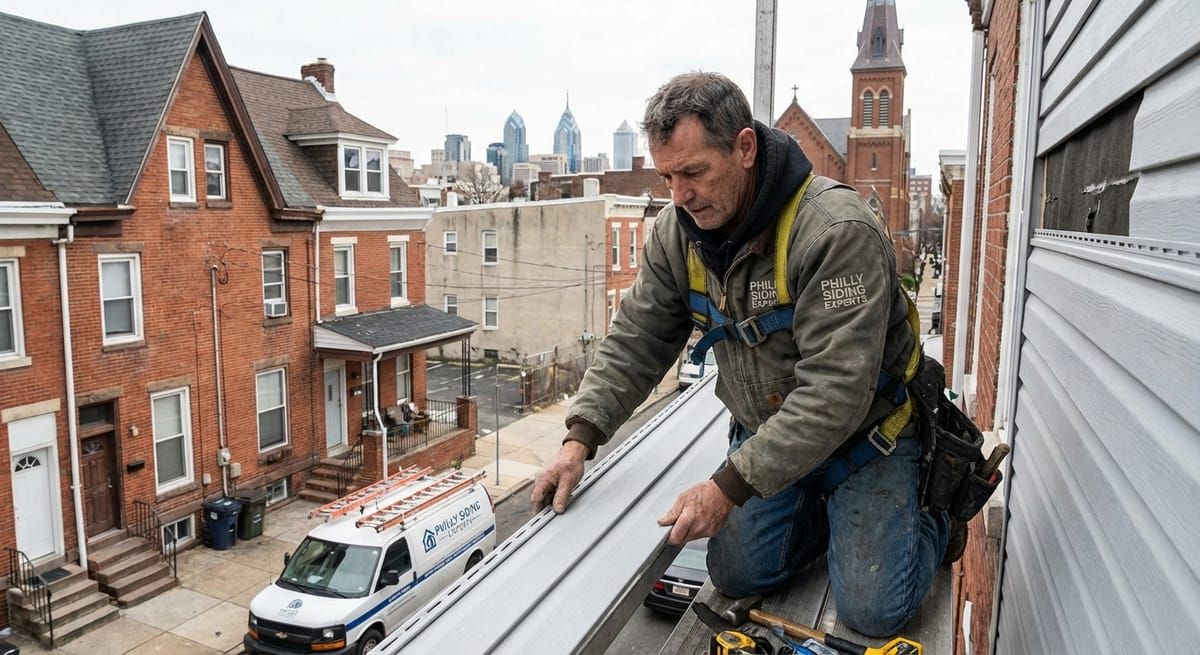
What Vinyl Siding Installation Involves
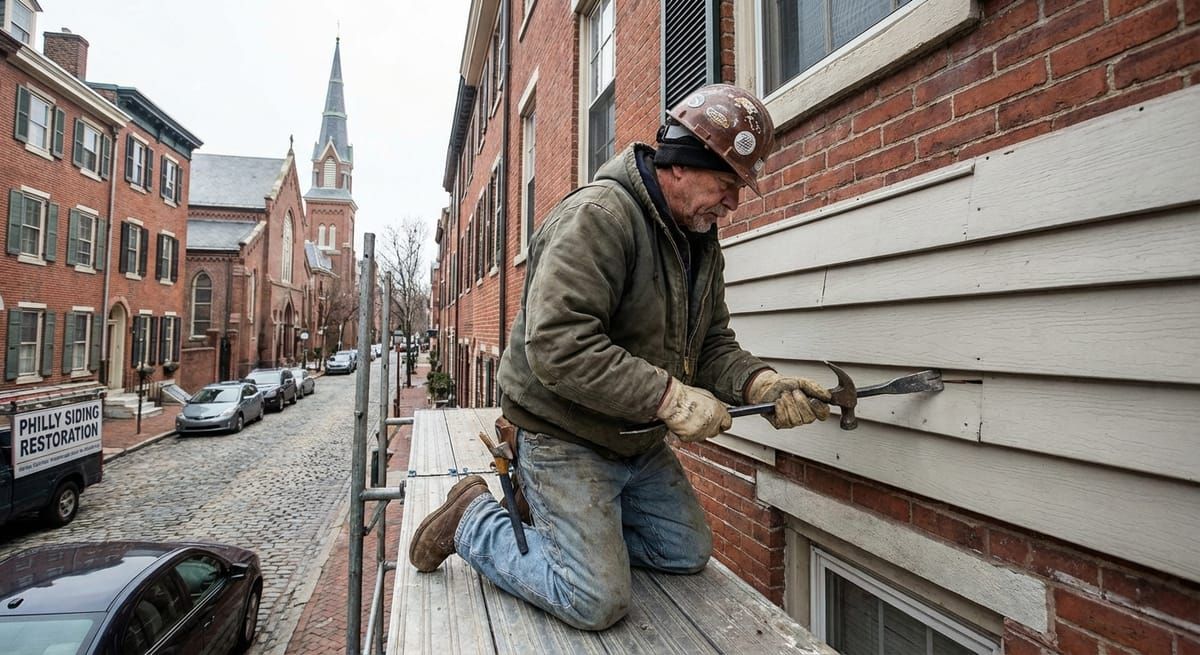
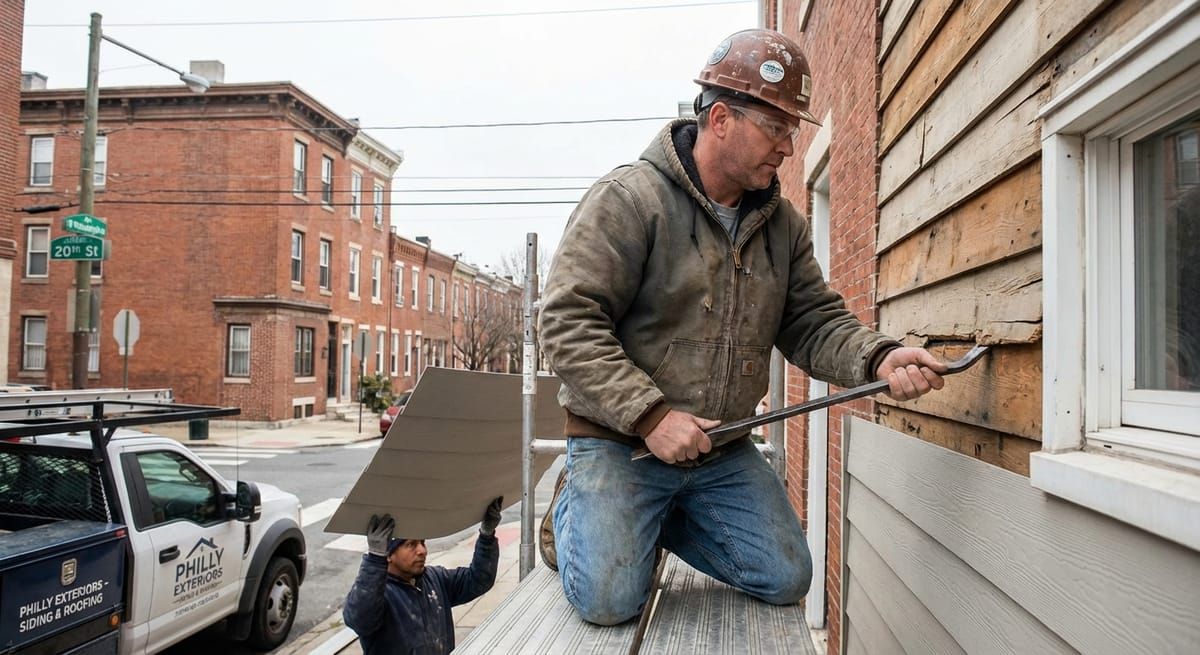
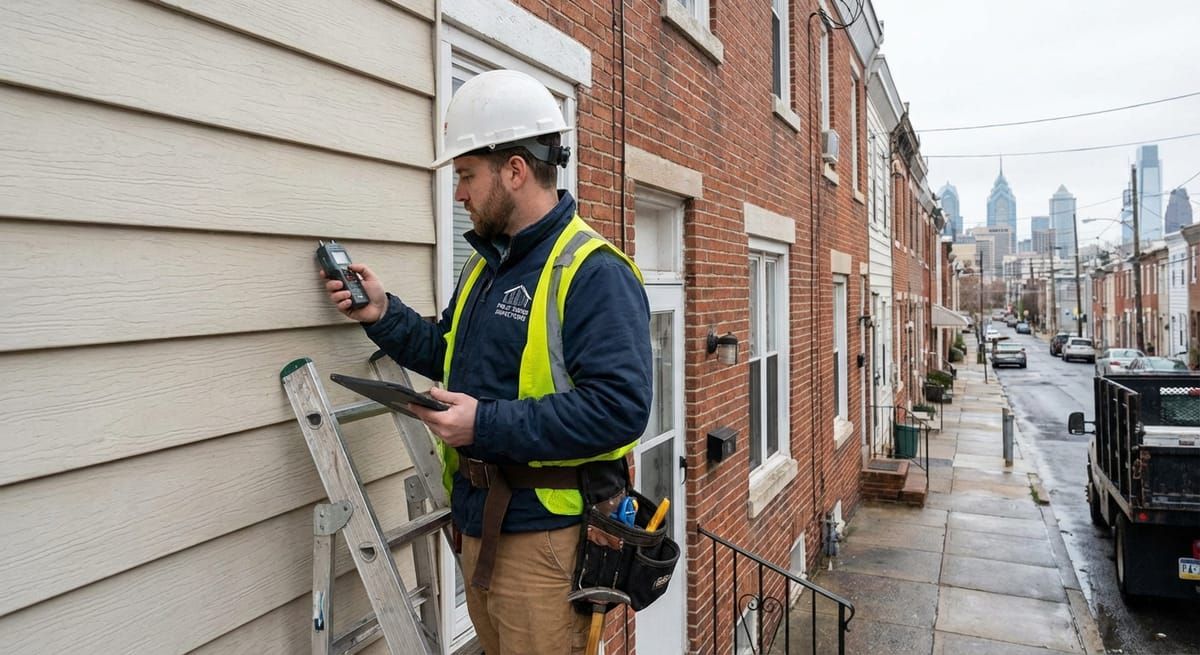
Vinyl siding installation is a complete exterior renovation process that begins with a thorough inspection of your home's existing siding and underlying sheathing. The installation crew removes all old siding materials, including any damaged trim, corner posts, and J-channels that frame windows and doors. Once the old materials are stripped away, installers examine the wall sheathing for rot, moisture damage, or structural concerns that must be addressed before new siding goes up.
With repairs completed, the crew installs a moisture barrier or house wrap over the sheathing to prevent water infiltration. This protective layer is essential for Philadelphia homes, where seasonal humidity and precipitation can cause hidden moisture problems. Next, installers attach starter strips along the bottom of each wall section, followed by corner posts, J-channels around openings, and utility trim pieces that create a finished frame for the siding panels.
The actual siding panels are hung from bottom to top, with each course locking into the one below. Panels are nailed loosely to allow for thermal expansion and contraction as temperatures change throughout the year. Skilled installers pay careful attention to overlap patterns, ensuring water sheds properly and seams remain inconspicuous. The project concludes with soffit and fascia installation if needed, final trim work, and a detailed cleanup of your property.
When You Need Vinyl Siding Installation
Several signs indicate your Philadelphia home is ready for new vinyl siding. The most obvious is visible deterioration of your current exterior, including cracked panels, warped sections, fading color that cleaning cannot restore, or siding that feels brittle or chalky to the touch. These symptoms suggest your existing siding has reached the end of its functional life and can no longer protect your home effectively.
Moisture problems inside your walls provide another compelling reason to consider installation. If you notice mold growth, musty odors, or peeling interior paint on exterior walls, water may be penetrating your current siding. Left unaddressed, this moisture damages insulation, rots wall framing, and creates health hazards for your family. New vinyl siding with proper installation techniques eliminates these entry points.
Rising energy bills can also point toward failing siding. When exterior cladding deteriorates, it compromises your home's thermal envelope, forcing heating and cooling systems to work harder. Many homeowners combine vinyl siding installation with added insulation, creating a more energy-efficient home that maintains comfortable temperatures year-round.
Finally, aesthetic concerns drive many installation projects. If your home's exterior looks dated, clashes with neighborhood improvements, or simply no longer reflects your taste, vinyl siding offers an affordable path to a completely refreshed appearance with countless color and style options.
Why Siding Problems Develop
Understanding why siding fails helps you appreciate the value of quality installation. In Philadelphia, weather represents the primary threat to exterior cladding. The region experiences hot, humid summers that promote mold and mildew growth, cold winters with freeze-thaw cycles that crack rigid materials, and regular precipitation that seeks any gap or seam in your home's exterior.
Sun exposure causes gradual deterioration in all siding materials. Ultraviolet radiation breaks down the chemical bonds in vinyl, causing fading and brittleness over many years. South and west-facing walls typically show wear faster than shaded areas. Modern vinyl formulations include UV stabilizers that significantly slow this process, but no material lasts forever under constant sun exposure.
Poor original installation creates premature problems regardless of material quality. Siding nailed too tightly cannot expand and contract, leading to buckling and warping during temperature swings. Improper flashing around windows and doors allows water behind panels where it causes hidden damage. Inadequate ventilation traps moisture in wall cavities, promoting rot and mold growth that eventually affects the siding itself.
Impact damage from hail, wind-blown debris, lawn equipment, and everyday accidents also shortens siding lifespan. While vinyl resists many types of damage better than wood, severe impacts can crack panels. Unlike wood siding that accepts repairs, damaged vinyl panels typically require full replacement of affected sections.
What Affects Installation Cost
Several factors influence the investment required for vinyl siding installation on your Philadelphia home. The total square footage of exterior wall space represents the most significant variable, as larger homes require more materials and labor hours. Complex architectural features like dormers, bay windows, multiple stories, and intricate rooflines increase both material waste and installation time compared to simple rectangular structures.
Your choice of vinyl siding grade impacts cost substantially. Builder-grade vinyl costs less but offers thinner panels with fewer color options and shorter warranties. Premium vinyl features thicker construction, realistic wood-grain textures, fade-resistant pigments, and comprehensive warranty coverage. Many Philadelphia homeowners find mid-grade products deliver the best balance of performance and value.
The condition of existing walls affects preparation costs. Homes with significant rot, outdated insulation, or structural concerns require additional work before new siding installation can proceed. While this adds to the project scope, addressing these issues during siding replacement prevents future problems and protects your investment.
Removal of existing materials adds labor time, particularly for homes with multiple siding layers, asbestos-containing materials requiring specialized handling, or wood siding with lead paint. Philadelphia's older housing stock frequently presents these challenges, though experienced contractors navigate them routinely.
Optional upgrades like insulated vinyl siding, premium trim packages, decorative accents, and coordinating soffit and fascia replacement increase total project cost while enhancing both appearance and performance. Discussing these options during the estimate process helps you make informed decisions based on your priorities and budget.
Choosing Between Repair and Replacement
Minor vinyl siding damage often allows for targeted repairs rather than complete replacement. Individual cracked or broken panels can be removed and replaced with matching material, assuming your existing siding style remains available. Small holes accept patches, and loose panels simply need re-securing. These repairs make sense when damage is isolated and your overall siding remains in good condition.
However, several situations favor full replacement over repairs. When damage affects large areas or multiple walls, repair costs approach replacement costs while leaving you with mismatched old and new sections. Siding that shows widespread fading, chalking, or brittleness has reached the end of its protective life even if no individual panels have failed. Attempting to repair fundamentally deteriorated siding wastes money on a temporary fix.
Discontinued siding styles create matching challenges that often push homeowners toward replacement. Manufacturers regularly update their product lines, and panels produced even a few years apart may differ noticeably in color, texture, or profile. Mixing old and new materials creates a patchwork appearance that diminishes curb appeal.
When underlying wall damage accompanies siding problems, replacement provides the only opportunity to access and repair structural issues. Attempting to patch siding over rotten sheathing or damaged framing simply conceals problems while they worsen. Complete removal during replacement reveals the true condition of your walls and ensures proper repairs before new siding goes up.
The Philadelphia Climate Factor
Philadelphia's Mid-Atlantic location creates specific challenges that proper vinyl siding installation must address. Summer temperatures regularly exceed ninety degrees while winter lows drop well below freezing, creating a temperature swing of over one hundred degrees throughout the year. This thermal range causes vinyl to expand and contract significantly, requiring installation techniques that accommodate movement without buckling or gapping.
The region receives substantial precipitation year-round, including summer thunderstorms, fall nor'easters, winter snow, and spring rain. Quality installation incorporates proper flashing, drainage paths, and overlap patterns that direct water away from wall assemblies. Philadelphia's humidity also demands adequate ventilation behind siding to prevent moisture accumulation in wall cavities.
Occasional severe weather, including high winds during storms and rare hail events, tests siding durability. Premium vinyl products offer better impact resistance, while proper fastening prevents wind uplift. Discussing local weather considerations with your installation team ensures they select appropriate materials and techniques for Philadelphia conditions.
What to Expect During Installation
Professional vinyl siding installation typically spans several days to a few weeks depending on home size and project complexity. The process begins with material delivery, usually a day or two before work starts. Installers protect your landscaping and outdoor features with drop cloths and plywood barriers.
Removal of existing siding creates noise and debris, though crews contain waste in dumpsters and clean work areas daily. Once walls are exposed, the inspection and repair phase may reveal unexpected conditions requiring additional time. Your contractor should communicate any discoveries promptly and explain options before proceeding.
New siding installation progresses wall by wall, with crews working around your home systematically. You will notice significant visual progress each day as completed walls transform your home's appearance. Weather delays occasionally interrupt exterior work, though reputable contractors build flexibility into schedules and communicate adjustments promptly.
Final cleanup includes thorough debris removal, magnet sweeps for dropped fasteners, and inspection of landscaping for any damage requiring attention. A walkthrough with your project manager allows you to identify any concerns before final payment and activates your warranty coverage.